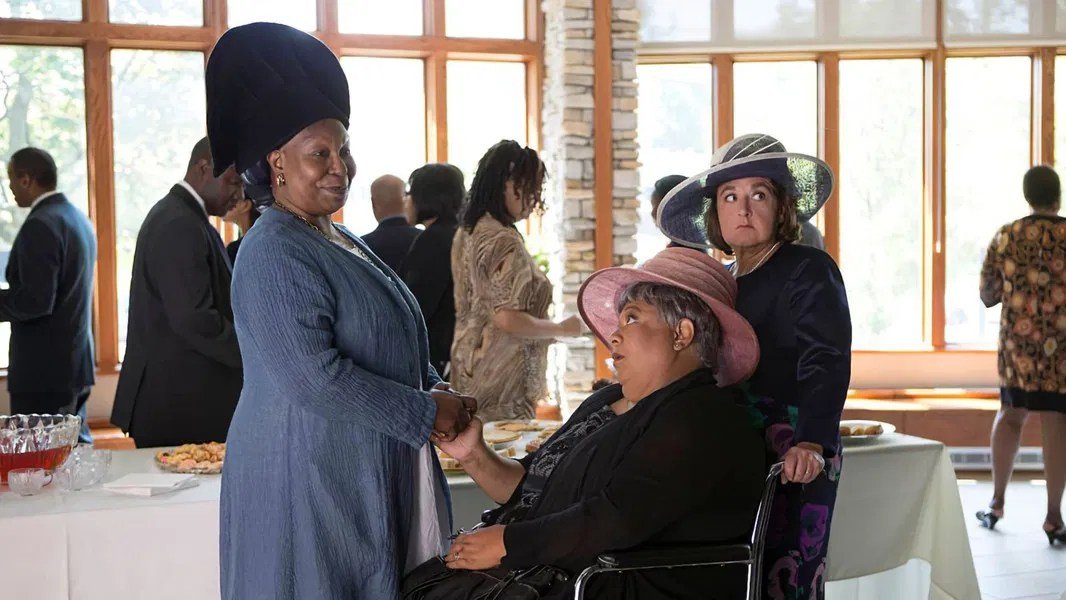
Terry McMillan has a knack for cutting straight to the heart of what it means to be human, especially within the intricate tapestry of family. With her fifth novel, "A Day Late and a Dollar Short," she offers readers not just a story, but an immersive experience into the lives of the Price family. This isn't a glossy portrait; it's a raw, honest, and often painful exploration of love, loss, and the enduring bonds that tie us together, even when we wish they wouldn't. If you're looking for a deep dive into the emotional landscape of one of McMillan's most poignant works, buckle up. This A Day Late and a Dollar Short Plot Summary and Review will unpack the layers of a novel that speaks volumes about forgiveness, redemption, and the messy beauty of family.
At a Glance: What You'll Find in "A Day Late and a Dollar Short"
- A Family Saga: Follows the Price family—matriarch Viola, patriarch Cecil, and their four adult children—as they navigate crises and strive for connection.
- Multiple Perspectives: Told through six first-person viewpoints, offering intimate insights into each character's thoughts and struggles.
- Raw & Real Themes: Explores complex issues like divorce, alcoholism, infidelity, molestation, homosexuality, and the lasting impact of family secrets.
- McMillan's Signature Style: Honest, conversational, often humorous, utilizing Ebonics and a "talk story" literary device to create authentic voices.
- A Journey of Healing: Ultimately a story of missed opportunities, eventual reconciliation, and the possibility of finding redemption within broken relationships.
- Contemporary Relevance: Addresses struggles within African American families, including concepts like "Black Sheep" and "Black Taxes" (the fallout of racism).
The Heart of the Story: An Honest Look at Family Love and Loss
Terry McMillan has always been a storyteller who isn't afraid to peel back the curtain on the complexities of life, and "A Day Late and a Dollar Short" is perhaps her most intimate family drama. Departing from some of her earlier, more overtly romantic works, this novel zeroes in on the often-strained, yet undeniably powerful, connections between adult family members. It’s a compelling narrative that pulls you into the turbulent world of the Price family, showcasing their struggles, secrets, and an unwavering, if sometimes begrudging, love for one another.
The novel opens with the Price family teetering on the brink of collapse. Viola, the feisty, sharp-tongued matriarch, finds herself hospitalized in Las Vegas after a severe asthma attack. From her hospital bed, she reflects on a life filled with regrets and the deeply conflicted lives of her children, whose problems seem to mirror her own unresolved issues. Her 38-year marriage to Cecil has ended in separation, a decision that has ripple effects through the entire family. Her children—Charlotte, Paris, Janel, and Lewis—are all grappling with their own demons, from sibling estrangement to addiction and devastating personal betrayals.
McMillan's genius lies in her ability to create characters who feel utterly real. Through a masterful use of the "talk story" literary device and rotating first-person viewpoints, she allows you to inhabit the minds of six different family members. This technique not only drives the plot forward but also deepens your empathy for each character, even when their choices are frustrating or flawed. You’re not just reading about their lives; you're living them, experiencing their joy, their pain, their desperation, and their occasional glimmers of hope. For those who appreciate insightful explorations of human nature, this novel stands as a testament to McMillan's literary legacy and her unflinching gaze at the human condition.
Meet the Prices: A Family in Flux
The power of "A Day Late and a Dollar Short" lies in its meticulously crafted characters, each struggling with their past, present, and the uncertain future of their family. Let's delve into the lives of the key players who make up this unforgettable family drama.
Viola Price: The Matriarch's Last Stand
At 55, Viola Price is a woman at a crossroads. Hospitalized after an asthma attack, her near-death experience forces her to confront a lifetime of regrets, especially regarding her children's struggles and her own unfulfilled dreams. She yearns to reclaim her identity, a fierce desire that fuels her through her recovery. She even experiences a fleeting moment of triumph, winning some money, and later receives the official divorce papers from Cecil, severing a tie that had long been frayed. However, despite her newfound vitality, Viola tragically succumbs to another asthma attack, leaving behind a collection of heartfelt letters. These letters, filled with advice and unconditional love, become the guiding force for her children's eventual reconciliation, a poignant final act that underscores her enduring presence.
Cecil Price: Seeking a Second Chance
Viola's estranged husband, Cecil, is a man wrestling with guilt and a profound sense of unfulfillment. He felt stifled in his marriage to Viola and deeply regrets his perceived absence in his children's lives. Now, he finds a new lease on life with Brenda, who becomes pregnant with his child. This unexpected turn prompts him to finalize his divorce from Viola, hoping to build a fresh future. Yet, despite his aspirations, Cecil grapples with the weight of his past, longing to reconnect with his adult children and make amends. Viola's post-mortem letter eventually reaches him, serving as a powerful catalyst for him to guide his family towards understanding and reconciliation.
Lewis Price: The Weight of Expectations and Addiction
Lewis is the only son, and he carries the heavy burden of being the family's "Black Sheep." He struggles with self-doubt, chronic rheumatoid arthritis, a debilitating alcohol addiction, and a string of criminal behaviors that constantly land him in jail. He desperately yearns for his family's support, feeling like a perpetual disappointment. His efforts to be a father to his son, Jamil, are complicated by his legal troubles and inability to pay child support, leading to strained relationships and even a violent confrontation with Jamil's stepfather. Despite his repeated setbacks, Lewis expresses a raw, desperate desire for sobriety, dignity, and a better future for Jamil, symbolizing the often-painful reality of addiction and its impact on families.
Janelle: Unveiling Trauma, Finding Empowerment
Janelle's life is a landscape of strained relationships, particularly with her daughter, Shanice, and her partner, George. Her world shatters when she uncovers a horrifying family secret: George has been molesting Shanice since she was seven. This devastating revelation leads to a violent confrontation, an immediate decision to divorce George, and a courageous report to Child Protective Services. As she navigates this trauma, Janelle also grapples with an unexpected pregnancy and the resurfacing grief of her father's abandonment and her mother's recent death. Amidst the chaos, she discovers an inner strength, seeking empowerment and new opportunities, including the hopeful prospect of a business partnership, showing resilience in the face of immense adversity.
Charlotte: Unraveling Expectations, Forging a Path
Charlotte feels overwhelmed by the pressures of maintaining her household, managing work, and battling financial insecurity. Her relationship with her mother was often tense, leaving her feeling inadequate. Her marriage to Al is strained by his infidelity and a secret child, adding layers of betrayal to her already heavy load. She also discovers that her son, Trevor, is gay, forcing her to confront her own preconceived notions and internal conflicts. Seeking a path to self-empowerment, Charlotte buys a diamond ring for herself and ultimately decides to divorce Al, choosing personal growth over a broken marriage. Her mother's death hits her hard, stirring up grief and profound regret over missed opportunities for reconciliation. Eventually, she seeks therapy, beginning the arduous process of untangling her anger and processing the complex dynamics of her family.
Paris: The Burden of Perfection, The Path to Healing
Paris, the eldest sibling, appears to have it all: a successful catering business and a seemingly independent life as a single mother. However, beneath the polished exterior, she juggles constant family drama, resents her siblings' perceived lack of support, and battles a secret dependence on Vicodin for pain. She struggles with the pressure of maintaining an image of perfection, constantly worried about rumors and the potential impact of her son Dingus potentially becoming a father. Her mother's sudden death plunges Paris into immense grief and guilt, forcing her to confront the weight of responsibility as the oldest. In a pivotal moment of self-awareness, she resolves to take charge of family unity, confronts her addiction by flushing her pills, and seeks an authentic connection in a new relationship, embracing a path toward genuine healing.
McMillan's Masterful Touch: Themes and Literary Devices
McMillan doesn't just tell a story; she invites you into a conversation, using literary techniques that make her narratives feel incredibly personal and authentic.
The "Talk Story" Approach: Central to "A Day Late and a Dollar Short" is the "talk story" tradition. This narrative style, often found in oral traditions, mimics the ebb and flow of natural conversation, allowing characters to meander through their thoughts, reflect, and share anecdotes. It's less about a strict linear plot and more about the emotional journey and internal landscape of the characters. This approach, combined with the six first-person viewpoints, creates a rich, polyphonic narrative that feels incredibly intimate, as if each character is confiding directly in you. You get to witness their individual truths, even when they contradict one another, providing a nuanced perspective on the same events. This technique is brilliant for exploring multifaceted perspectives.
An Unflinching Gaze at Contemporary Concerns: McMillan courageously tackles a range of sensitive and often taboo subjects relevant to African American families. The novel delves into:
- Single Parenthood & Divorce: Highlighting the strains and complexities of fractured homes.
- Incest & Molestation: Janelle's storyline is a harrowing, yet vital, exploration of this devastating trauma and its aftermath.
- Alcoholism & Prescription Drug Addiction: Lewis's struggle with alcohol and Paris's dependence on Vicodin showcase the insidious grip of addiction.
- Homosexuality: Charlotte's son, Trevor, navigating his identity adds another layer to the family's evolving understanding of acceptance.
These issues are not merely plot devices; they are integral to the characters' struggles and growth, reflecting real-world challenges faced by many.
The Weight of History: "Black Sheep" and "Black Taxes": McMillan subtly, yet powerfully, weaves in the impact of historical factors like slavery on current Black family dynamics. She introduces concepts that resonate deeply: - The "Black Sheep": Lewis perfectly embodies this archetype, the family scapegoat who carries the weight of perceived failures and misdirection, often internalizing the family's unspoken anxieties and dysfunctions.
- "Black Taxes": This concept speaks to the cumulative toll and fallout of systemic racism and historical oppression on Black families, manifesting as intergenerational trauma, economic hardship, and psychological burdens. It explains why certain issues disproportionately affect these communities, creating an underlying current of struggle that impacts every character in the Price family. This adds significant depth to exploring African American family dynamics.
Authentic Voices and Ebonics: McMillan's writing is known for its authenticity, and here it shines through her spare, stream-of-consciousness style. She masterfully captures genuine character voices through their dialogue and interior monologues, frequently employing Ebonics. This isn't a stylistic flourish; it's a vital component of character development, reflecting their background, education, and emotional states, making them feel incredibly real and relatable. It grounds the narrative in a specific cultural context, enriching the reader's understanding of their world.
The Road to Redemption: A Pivotal Thanksgiving
The climax of "A Day Late and a Dollar Short" arrives with a pivotal Thanksgiving dinner, a gathering that initially feels fraught with unspoken tensions and recent losses. The Price family, still reeling from Viola's death and their individual crises, comes together, unsure of how to navigate their fractured relationships.
It's here, amidst the lingering strain, that Viola's legacy truly unfolds. The children read the letters she meticulously prepared before her death. These aren't just farewells; they are heartfelt messages filled with Viola's enduring love, poignant advice, and an urgent plea for her children to forgive each other and offer mutual support.
This act of reading Viola's letters becomes a profound catalyst. It strips away the pretense and opens the floodgates for vulnerability. Paris, burdened by her secret, finally admits her painkiller addiction, signaling a monumental step towards healing. Charlotte realizes her anger has often been misdirected, understanding the deeper roots of her resentments. Lewis, perhaps the most outwardly troubled, expresses a firm determination to achieve personal goals, particularly sobriety and a better future for his son.
The scene beautifully encapsulates the novel's core message: that even in the wake of profound loss and long-held grievances, there is always hope for healing and reconciliation. The shared grief and Viola's guiding words foster an undeniable sense of renewed unity and vulnerability. It's a powerful moment where individual struggles begin to transform into collective strength, signaling a positive shift towards individual growth and, crucially, strengthened family bonds. It's a testament to the powerful themes of redemption and forgiveness that permeate McMillan's work.
Why This Story Resonates: A Review of its Impact
"A Day Late and a Dollar Short" isn't merely a plot summary; it’s an emotional journey that leaves a lasting impression. McMillan's ability to strip away pretense and lay bare the raw complexities of family life is what makes this novel so potent and widely acclaimed.
Unflinching Realism: What truly sets this book apart is its unflinching realism. McMillan doesn't shy away from the ugliness of human nature or the devastating impact of trauma. The characters are deeply flawed, make poor decisions, and often hurt those they love most. Yet, precisely because of these imperfections, they feel incredibly authentic. You recognize pieces of your own family, your own struggles, or the experiences of people you know, within the pages. This honest portrayal fosters deep empathy, even for characters who might otherwise be dismissed.
A Mirror to Society: The novel serves as a powerful mirror reflecting many of the challenges faced by families today, particularly within the African American community. By addressing issues like addiction, abuse, and the weight of historical oppression, McMillan elevates the story beyond a personal drama to a socio-cultural commentary. It sparks vital conversations about mental health, intergenerational trauma, and the resilience required to navigate systemic inequalities.
The Power of Forgiveness and Connection: Despite the often-heavy subject matter, "A Day Late and a Dollar Short" is ultimately a hopeful book. It underscores the profound human need for connection and forgiveness. It reminds us that family, in all its messy glory, is often our greatest source of strength, even when it tests our limits. The journey of the Price family—from fragmentation to tentative reunion—is a powerful testament to the enduring power of love to heal wounds, even those that seem insurmountable.
This novel is a compelling read for anyone who appreciates deep character studies and narratives that tackle life's harsh realities with compassion and wisdom. It’s a book that invites reflection, challenges assumptions, and ultimately celebrates the resilience of the human spirit.
Beyond the Pages: Discussions and Further Exploration
Terry McMillan's "A Day Late and a Dollar Short" is a novel that stays with you long after you've turned the final page. Its depth and emotional resonance make it an excellent choice for book clubs, personal reflection, or as a starting point for deeper conversations about family dynamics and societal issues.
Consider these questions as you reflect on the novel:
- Which character did you connect with most, and why? Did your feelings about them change over the course of the book?
- How effective was McMillan's use of multiple first-person perspectives in telling this story? What did it add to your understanding?
- Discuss the concept of "Black Taxes" and "Black Sheep" in the context of the Price family. How do these ideas manifest in the characters' lives?
- What role does forgiveness play in the novel, both for individuals and for the family as a whole?
- How do Viola's letters impact the family, and what do they reveal about her character?
- If you've encountered the movie adaptation of A Day Late and a Dollar Short, how did it compare to your reading experience? Did it capture the essence of the book?
This novel serves as a powerful reminder that family is rarely simple, but it is often worth fighting for. It encourages us to confront our own truths, extend empathy, and never give up on the hope of reconciliation. It's a vibrant, essential piece of contemporary American literature that truly earns its place as a must-read.