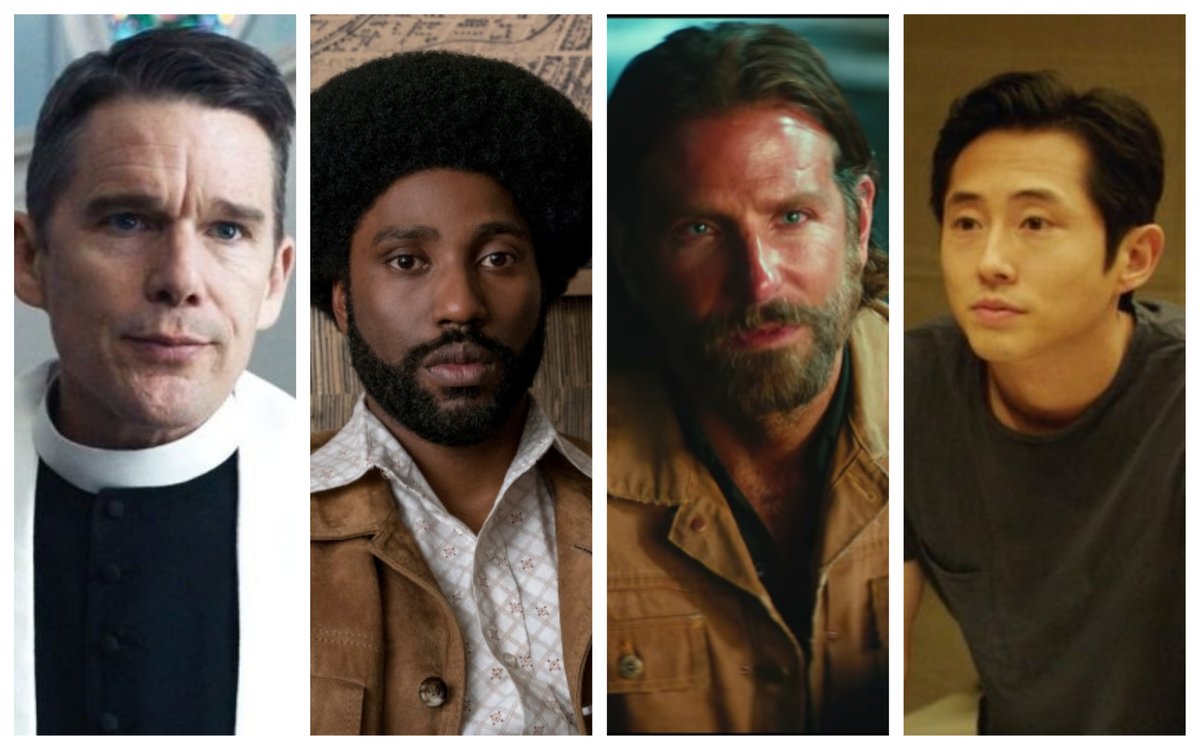
Few elements are as crucial to a film's resonance as its cast, the characters they embody, and the performances that bring them to life. These aren't just names on a marquee or figures in a story; they are the heart, soul, and often the entire emotional architecture of a cinematic experience. When done right, the synergy between a meticulously crafted character, a perfectly cast actor, and a captivating performance transforms a mere narrative into an unforgettable journey, pulling you into worlds both fantastical and deeply human.
This isn't just about star power; it's about the profound impact of seeing a character truly live on screen, reflecting our own hopes, fears, and complexities. It’s the subtle glance, the raw emotion, the transformative embodiment that elevates a good script to a great film.
At a Glance: Decoding the Power of On-Screen Talent
- Casting is Storytelling: The choice of actor fundamentally shapes how an audience perceives a character and the narrative.
- Characters as Anchors: Well-developed characters provide emotional anchors, making even the most fantastical stories relatable.
- Performance is Alchemy: Actors transform written words into lived experiences, adding layers of nuance and humanity.
- Director's Vision is Key: Master filmmakers like James Cameron and Guillermo del Toro are instrumental in guiding performances to achieve their artistic goals.
- Legacy Roles Evolve: Reprised characters, especially in long-running sagas, must grow and deepen to maintain audience engagement.
- New Faces Bring Fresh Dynamics: Introducing new characters and actors invigorates a franchise and expands its universe.
- Beyond the Leads: Supporting cast members often provide crucial texture and depth, making the world feel richer.
The Unseen Architects: Why Cast, Characters, and Performances Matter So Much
Think about your favorite films. What lingers with you? Often, it's not just the plot twists or the stunning visuals, but the indelible impressions left by the people on screen. The 'cast' brings star power, experience, and often a pre-existing connection with an audience. The 'characters' are the archetypes, the heroes and villains, the friends and foes who populate the story. And the 'performances'? That's where the magic happens – the act of an actor breathing life into a character, making you believe in their struggles, cheer for their triumphs, and mourn their losses.
This triumvirate isn't just a supporting element; it's often the foundation upon which a film's success is built. A weak performance can sink an otherwise brilliant script, while a powerful one can elevate even a mediocre story into something memorable. Directors meticulously choose their actors, knowing that each choice is a brushstroke on the canvas of their cinematic vision. It's a delicate balance of talent, chemistry, and often, the intangible spark that makes a character jump off the screen and into our collective consciousness.
Beyond the Page: Bringing Characters to Life
Every script presents a blueprint, but it's the actors who construct the living, breathing entity from that design. They interpret dialogue, inhabit emotions, and create physicalities that define a character far beyond what's written on the page. This is where the artistry lies, transforming abstract concepts into tangible human (or Na'vi, or monstrous) experiences.
The Art of Casting: Crafting Chemistry and Credibility
Casting isn't just picking a famous face; it's an intricate puzzle. Directors and casting agents seek actors who not only possess the talent but also the specific qualities to embody a character's essence. This includes everything from physical presence and vocal tone to an innate ability to convey complex emotions. Sometimes, it's about surprising choices that unlock new dimensions, while other times, it's about leaning into an actor's established persona to instantly connect with the audience. The right ensemble can spark incredible chemistry, making relationships feel authentic and conflicts resonate deeply.
Deep Dive: Familiar Faces and Fresh Blood in Avatar: Fire and Ash
James Cameron's Avatar series is a masterclass in world-building, but its enduring appeal also hinges on its compelling characters and the dedicated performances behind them. With Avatar: Fire and Ash, the stakes are higher, the world expands, and the actors are tasked with deepening roles we've known for over a decade, while also introducing us to captivating new presences.
Reprising Iconic Roles: Worthington, Saldaña, Weaver
The return of Sam Worthington as Jake Sully, Zoe Saldaña as Neytiri, and Sigourney Weaver as Kiri anchors the new film in familiar emotional territory. Worthington's journey from conflicted marine to staunch Na'vi leader has been central to the saga. His performance has to convey the weight of his responsibilities as a father and a war chief, constantly balancing human pragmatism with Na’vi spirituality. Saldaña, a seasoned actress known for her transformative roles in franchises like Star Trek and Guardians of the Galaxy, brings fiercely protective maternal instinct and warrior strength to Neytiri. Her performance is vital in conveying the emotional toll of the ongoing conflict on her family and people.
And then there's Sigourney Weaver as Kiri. Her initial role as Dr. Grace Augustine gave way to something entirely new and mysterious, pushing her performance into uncharted territory. Weaver, a long-time collaborator with Cameron since the Alien franchise, brings gravitas and an otherworldly sensibility to Kiri, the enigmatic daughter of Grace's Avatar. Her portrayal is crucial in exploring Kiri's unique connection to Pandora and its nascent spiritual forces, evolving from a curious teenager to potentially a pivotal figure in the Na'vi's fate. The continuity of these core performances allows the audience to instantly reconnect with Pandora's heart, even as the narrative pushes into darker, more intense conflicts.
The Weight of Legacy: Stephen Lang's Quaritch
Few antagonists have proven as resilient as Stephen Lang's Col. Miles Quaritch. Even after his physical death in the first film, his consciousness continues in an Avatar body, fueled by revenge. Lang's performance in Fire and Ash must navigate the complex layers of an antagonist driven by an insatiable need for retribution, while perhaps grappling with the irony of inhabiting the very form he sought to destroy. This continuity provides a powerful through-line for the human-Na'vi conflict, ensuring the stakes remain deeply personal.
New Horizons: Oona Chaplin's Varang and the Mangkwan
The introduction of the fiery Mangkwan tribe, the Ash People, and their leader Varang, played by Oona Chaplin, promises to shake up the established dynamics. Chaplin, known for her powerful roles in series like Game of Thrones and as the granddaughter of the legendary Charlie Chaplin, steps into a leadership role that will undoubtedly challenge Jake and Neytiri’s perspectives. Her performance as Varang will be critical in shaping the audience's understanding of this new, more aggressive faction of the Na'vi, adding moral complexity and expanding the cultural tapestry of Pandora. New characters like Varang can open up new thematic avenues, forcing the protagonists to confront internal divisions within their own species.
Nuance in Supporting Roles
The Avatar universe also thrives on its rich supporting cast. Kate Winslet reprises her role as Ronal, a formidable diver from the seafaring Metkayina clan, continuing her partnership with Cameron after Titanic. Her performance adds depth to the diverse Na'vi cultures, showing the varied ways in which Pandora's inhabitants interact with their environment. Britain Dalton as Lo'ak, Jack Champion as Spider, and Bailey Bass as Tsireya continue to evolve their characters, representing the younger generation grappling with their identities amidst war. Dalton, who took on Lo'ak at 16 in The Way of Water, must continue to showcase his character's growth and rebellious spirit. Champion's Spider, the human son of Quaritch adopted by Jake and Neytiri, presents a constant moral dilemma and a bridge between the warring species, his performance vital for humanizing the conflict. Bass's Tsireya, a Metkayina diver, offers a window into the peaceful ways of her people, and her gentle demeanor provides a foil to the escalating violence.
Veteran actors like CCH Pounder as Mo'at, Edie Falco as General Ardmore, and Jemaine Clement as Dr. Ian Garvin further flesh out the world. Pounder brings sagely wisdom to the Na'vi elder, a constant presence since the first film. Falco's General Ardmore continues to embody the human military's relentless pursuit of Pandora, her performance lending a calculating edge to the antagonist forces. Clement's Dr. Garvin, a marine biologist, promises a more nuanced human perspective, secretly fascinated by Pandora's ecosystem, showcasing the varied motivations within the human expedition. Each performance, no matter how small, contributes to the grand tapestry of Pandora. For a deeper dive into how individual choices can shape a narrative, you might enjoy reading more about About A Day Late and a Dollar Short.
Reimagining the Classics: Guillermo del Toro’s Frankenstein
Adapting a literary classic like Mary Shelley's Frankenstein is a distinct challenge for any director, especially one with a unique vision like Guillermo del Toro. Here, the cast and their performances aren't just creating characters; they're reinterpreting iconic figures deeply ingrained in our cultural consciousness. The casting choices become incredibly significant, as they must honor the source material while also bringing something fresh and compelling to the screen.
Stepping into Literary Giants: Isaac, Elordi, Goth
Oscar Isaac as Victor Frankenstein is a brilliant choice. Known for his intense, often morally complex performances in films like Dune and Star Wars, Isaac is perfectly poised to portray the brilliant but ultimately doomed scientist driven by his hubris to create life. His performance will need to convey Victor's intellectual genius, his obsessive descent, and the profound regret that follows his creation. This role demands a delicate balance of ambition and tragic flaw, and Isaac's range suggests he'll deliver a layered portrayal.
The Creature, the grotesque being Victor brings to life, is arguably the most challenging role, taken on by Jacob Elordi. Elordi, who has garnered significant attention for his performances in Priscilla, Saltburn, and Euphoria, brings a compelling blend of vulnerability and raw intensity to his roles. His casting as the Creature suggests a focus on the character's tragic humanity and nascent intellect, rather than just monstrousness. Elordi's performance will be crucial in eliciting both horror and empathy from the audience, embodying the Creature's pain, rejection, and capacity for both tenderness and violence. This isn't just a monster; it's a being grappling with its existence.
Mia Goth plays Elizabeth Lavenza, Victor's love interest. Goth, celebrated for her work in the X horror series (Pearl, MaXXXine), has a unique ability to convey fragility alongside a disturbing strength. Her portrayal of Elizabeth will likely add a distinct edge to a character often depicted as purely virtuous, perhaps hinting at the darker undercurrents that swirl around Victor's ambition. These actors are not merely reciting lines; they are stepping into roles that carry centuries of literary and cinematic baggage, tasked with making them feel new and urgent.
The Power of Supporting Ensemble
Del Toro's ensemble for Frankenstein is packed with renowned talent, signaling his intent for a rich, textured adaptation. Christian Convery as young Victor Frankenstein offers a glimpse into the formative experiences that shaped the adult scientist. Felix Kammerer as William Frankenstein, Victor's younger brother, is a pivotal innocent figure whose fate often defines Victor's despair. Kammerer, fresh off his acclaimed performance in All Quiet on the Western Front, brings a quiet intensity that could make William's brief but impactful presence resonate deeply.
The casting of Charles Dance as Leopold Frankenstein, Victor's oppressive father, immediately sets a tone. Dance, known for his formidable presence in Game of Thrones and The Crown, is adept at portraying stern authority figures, suggesting a patriarchal influence that may have fueled Victor's rebellious ambition. Lars Mikkelsen as Captain Anderson, likely the figure who encounters Victor in the Arctic, and Christoph Waltz as Harlander, promise to add further intrigue and gravitas. Waltz, an Academy Award-winner for Inglourious Basterds and Django Unchained, brings a singular wit and menace to any role, making his character's presence immediately significant. David Bradley as Blind Man, known for his iconic roles in Harry Potter and Game of Thrones, offers a potential nod to the Creature's poignant encounter with a benevolent elder, a crucial moment of humanity in Shelley's novel. The depth of this supporting cast underscores del Toro's commitment to exploring every facet of Shelley's complex narrative.
The Alchemy of Performance: Transforming Script to Screen
Acting is more than just memorizing lines; it's an immersive transformation. It involves deep character study, physical embodiment, emotional vulnerability, and often, technical mastery. The best performances feel effortless, but they are the product of immense skill and dedication.
Motion Capture Mastery: The Na'vi Challenge
For the Avatar cast, the challenge is multiplied by motion capture technology. Actors like Sam Worthington, Zoe Saldaña, and Sigourney Weaver aren't just performing; they are creating characters that will later be rendered digitally. This requires an incredible ability to convey emotion, physicality, and intention without the immediate benefit of elaborate costumes or sets. Their performances must be precise enough to translate into believable alien beings, yet raw enough to maintain human connection. It's a testament to their skill that the Na'vi feel so utterly real and relatable, despite their fantastical appearance. This requires a different kind of acting muscle, one that prioritizes internal truth over external presentation.
Embodying Iconic Monsters: Elordi's Creature
Jacob Elordi's task as the Creature in Frankenstein is similarly demanding, albeit through a different lens. He must portray a being that is both terrifying and pitiable, a nascent consciousness grappling with a horrifying exterior and profound loneliness. This role calls for a performance that can evoke sympathy for a monster, illustrating its journey from innocent ignorance to vengeful despair. It requires an actor to tap into primal emotions and communicate them non-verbally, often through physicality and guttural sounds, while also showing glimmers of intellect and feeling. It's the kind of role that can define an actor's career, requiring immense courage and commitment.
The Subtlety of Supporting Turns
While lead performances often grab the headlines, the supporting cast provides the essential scaffolding for any great film. Think of CCH Pounder's serene wisdom as Mo'at in Avatar, or Charles Dance's imposing presence as Leopold Frankenstein. These actors, through carefully calibrated performances, enrich the world, give context to the protagonists, and prevent the story from feeling one-dimensional. They might have fewer lines, but every word, every gesture, is vital. Their skill lies in conveying a complete character with limited screen time, leaving a lasting impression through nuance and specificity.
Behind the Scenes: The Director's Touch
A director is often described as the "conductor of the orchestra," and nowhere is this more apparent than in their work with actors. Visionary directors like James Cameron and Guillermo del Toro are renowned for their ability to coax exceptional performances from their casts.
Cameron, with his epic scope and technical innovation, often pushes actors to perform in challenging environments (like underwater motion capture in The Way of Water). Yet, he always ensures the emotional core remains intact, guiding his actors to find the human truth within fantastical scenarios. He's known for his intense focus on character development, even amidst groundbreaking visual effects.
Del Toro, conversely, is a master of blending the macabre with profound humanity. His direction often encourages actors to embrace the theatricality and gothic grandeur of his worlds, while simultaneously rooting their performances in deep emotional realism. He has a knack for finding the beauty and sadness in monsters, and he empowers his actors to explore those complex dualities, ensuring that even the most grotesque characters resonate with an unexpected tenderness. These directors don't just tell actors what to do; they create an environment where actors can discover their characters' deepest truths.
What Makes a Performance Truly "Elevated"?
An elevated performance goes beyond simply "good acting." It's characterized by several key elements:
- Authenticity: The actor makes you forget you're watching a performance; they are the character.
- Emotional Depth: They convey a wide range of emotions convincingly, often with subtlety and nuance.
- Physicality: The character's posture, gestures, and movement are distinct and integral to their personality.
- Transformation: The actor disappears into the role, often undergoing significant physical or vocal changes, or simply embodying a persona utterly unlike their own.
- Impact: The performance leaves a lasting impression, shaping your understanding of the film and its themes.
- Chemistry: They create believable relationships with other characters, whether adversarial or affectionate.
- Subtext: The actor conveys unspoken thoughts and feelings, adding layers of meaning beyond the dialogue.
When you see a performance that embodies these qualities, it doesn't just entertain; it enlightens, provokes, and often, transforms your own perspective.
Common Questions About Film Performances, Answered
How important is an actor's "star power" versus their actual performance?
While "star power" can draw audiences and fund projects, it's the actual performance that sustains engagement and leaves a lasting impact. A well-known actor might get people into seats, but a compelling, authentic portrayal is what keeps them invested and talking about the film long after. Many iconic performances have come from lesser-known actors who simply embodied their roles perfectly.
Can a bad script be saved by good performances?
Good performances can certainly elevate a weaker script, adding emotional weight or clarity where the writing falters. Actors can infuse dialogue with meaning, create believable relationships, and find depth in thinly written characters. However, they can rarely save a truly bad script that is fundamentally flawed in plot, structure, or core concept. The best films are a synergy of all strong elements.
What's the difference between "character" and "performance"?
The "character" is the fictional person or entity created by the screenwriter and director – their backstory, personality traits, motivations, and role in the story. The "performance" is the actor's interpretation and embodiment of that character on screen. It's how the actor uses their voice, body, and emotional range to bring the written character to life, adding their unique artistic touch.
How do directors get the best performances from actors?
Directors use a variety of techniques:
- Deep discussions: Exploring character motivations and backstories.
- Rehearsals: To build chemistry and refine blocking.
- Method acting: Encouraging actors to immerse themselves fully.
- Creating a safe space: Allowing actors to take risks and be vulnerable.
- Specific feedback: Giving clear, actionable notes during takes.
- Casting wisely: Choosing actors who already align well with the character.
Ultimately, it's about building trust and fostering a collaborative environment.
Are motion-capture performances considered "real" acting?
Absolutely. Motion capture acting requires the same emotional depth, physical commitment, and character understanding as traditional acting, if not more. Actors like Andy Serkis (Gollum) and the Avatar cast (Worthington, Saldaña, Weaver) perform in special suits, conveying every nuance of emotion and movement that is then translated digitally. Their performances are the foundation of the digital character's expressiveness, making them entirely "real" acting. The technology is merely a tool for artistic expression, not a replacement for it.
Your Next Act: How to Appreciate Film Performances More Deeply
Next time you settle in for a film, try watching with a critic's eye for the cast, characters, and performances. Go beyond just enjoying the story and actively observe:
- Notice the Subtlety: Pay attention to micro-expressions, body language, and vocal inflections. What is an actor conveying without speaking?
- Consider the Casting: Ask yourself why a particular actor was chosen for a role. What qualities do they bring that enhance the character?
- Track Character Arcs: How does the character change or grow throughout the film? How does the actor convey that evolution?
- Evaluate Chemistry: Do the relationships feel real and believable? How do the actors create that dynamic?
- Identify "Defining Moments": Are there specific scenes or lines where an actor truly shines, encapsulating the essence of their character or a key theme?
- Think About the Unseen: For motion-capture or heavily prosthetic roles, imagine the raw performance beneath the visual effects. How much of the character's soul is coming from the actor?
By engaging with films on this deeper level, you'll not only enhance your appreciation for the craft of acting but also gain a richer understanding of how every component, from the grand spectacle to the most intimate gesture, contributes to the magic of cinema. It’s a rewarding journey that transforms passive viewing into active appreciation, allowing you to truly understand how cast, characters, and performances elevate each film's story into something truly unforgettable.