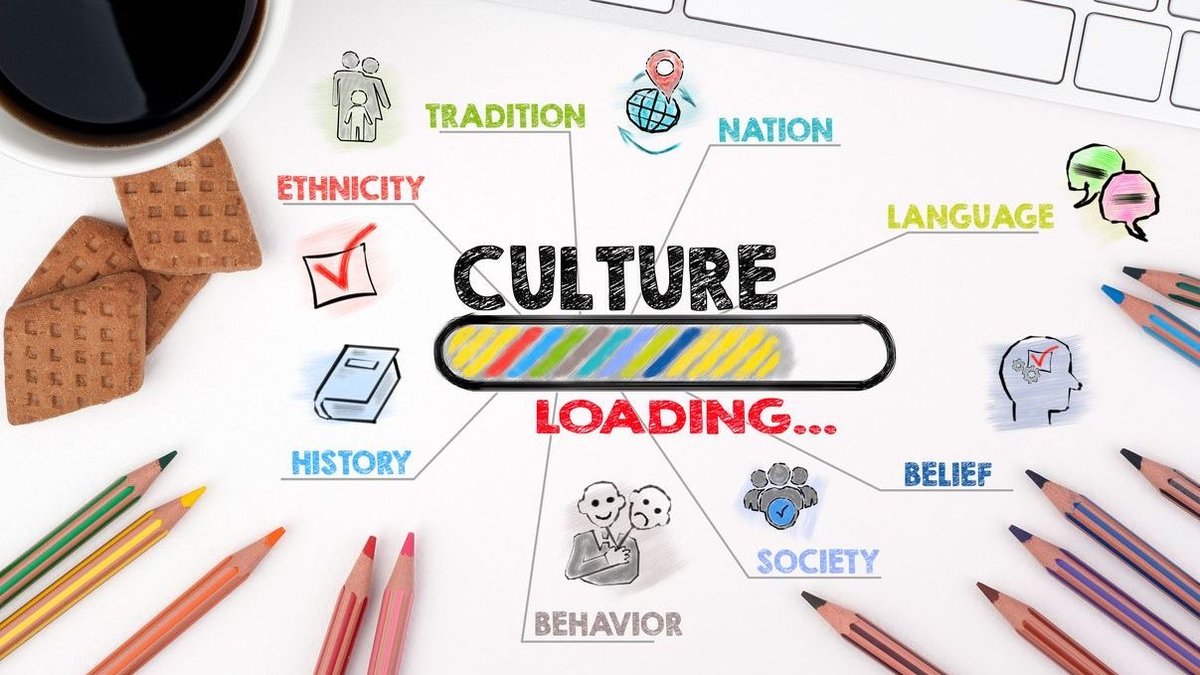
Adaptations are more than just retellings; they're cultural conversations, often sparking heated debates and leaving lasting imprints on how we see ourselves and others. The critical reception and cultural impact of the adaptation are not just about box office numbers or review scores; they’re about how a story, reinterpreted for a new context, resonates, challenges, or even offends its audience. In a globally interconnected world, this process has grown exponentially in significance, forcing creators and consumers alike to grapple with complex questions of representation, identity, and cultural sensitivity.
At a Glance: Navigating the Adaptation Landscape
- Adaptations are powerful: They introduce new audiences to diverse cultures, offer fresh perspectives, and can challenge dominant narratives.
- Representation is key: Authenticity, respect, and avoiding stereotypes are crucial for positive reception.
- Cultural appropriation is a major concern: Taking elements without permission or understanding can lead to significant backlash.
- Collaboration is critical: Engaging with the original culture's voices is the best defense against missteps.
- Globalization amplifies impact: Stories spread further and faster, making both successes and failures more visible.
- The future is diverse: Emerging trends point towards more inclusive storytelling, driven by technology and global collaboration.
Why Adaptations Spark Such Fierce Debates
At its core, cultural adaptation is a complex process of reinterpreting existing cultural narratives—stories that define a culture, shaping its identity and values—for a new medium, audience, or era. These narratives live in literature, film, music, and art, and their journey through adaptation is rarely straightforward.
When an adaptation lands, its critical reception isn't solely about artistic merit. It's often deeply intertwined with how well it navigates the delicate balance of authenticity, respect, and innovation. Does it honor the source material while bringing something new? Does it represent a culture fairly, or does it perpetuate harmful stereotypes? These questions fuel the debates and determine an adaptation's broader cultural impact.
For instance, consider the enduring popularity of adaptations like those exploring the life of historical figures. Such works don't just tell a story; they offer a lens through which audiences engage with history, identity, and even contemporary social issues. Learn more about the film and its engagement with historical narrative, often sparking discussions on faithfulness versus reinterpretation.
The Double-Edged Sword: Power and Peril in Storytelling
Adaptations hold immense power. They can introduce new audiences to diverse cultural experiences, providing fresh perspectives on familiar stories or challenging dominant narratives by offering alternative viewpoints. They also play a vital role in preserving cultural heritage and traditions by presenting them to new generations or global audiences.
However, this power comes with significant responsibilities and challenges, particularly when adapting across different cultures.
The Minefield of Representation: What Can Go Wrong
Representing diverse cultures in adaptations is fraught with potential pitfalls. The stakes are high because missteps don't just lead to bad reviews; they can perpetuate harm and misunderstanding.
- Cultural Insensitivity and Stereotyping: This is perhaps the most common pitfall. When creators misrepresent a culture, simplify its complexities, or rely on outdated stereotypes, the adaptation can cause offense and reinforce harmful biases. It strips away individuality and reduces an entire group to a caricature.
- Lack of Authenticity: Without genuine understanding or engagement, an adaptation can feel hollow or inauthentic. Details might be off, emotional beats might miss, and the cultural nuances that give a story its soul can be lost in translation.
- Perpetuating Power Imbalances: Historically, dominant cultures have often adapted stories from marginalized cultures without proper credit, compensation, or respect. This can reinforce existing power dynamics, where the voices and experiences of one group are appropriated and repackaged by another for profit or entertainment.
- Cultural Homogenization: In an attempt to make a story universally palatable, elements of a specific culture might be watered down or stripped away entirely. This leads to a bland, generic product that fails to celebrate the unique richness of the original culture.
Mitigating these risks isn't about shying away from diverse stories; it's about engaging deeply and respectfully with the source culture and involving diverse voices throughout the entire adaptation process.
The Elephant in the Room: Cultural Appropriation
One of the most charged debates in the realm of cultural adaptation centers on cultural appropriation. This term refers to the act of taking or using elements of another culture without permission, understanding, or proper credit. It's often viewed as a form of cultural exploitation, particularly when the borrowing culture benefits while the original culture remains marginalized or unacknowledged.
The nuances here are crucial. Inspiration and cultural exchange have long been part of artistic creation. But appropriation crosses a line when:
- Power Dynamics are at Play: The borrowing occurs from a marginalized or oppressed culture by a dominant one.
- Lack of Understanding/Respect: The cultural elements are used out of context, stripped of their original meaning, or trivialized.
- No Credit/Compensation: The original creators or culture receive no acknowledgment or benefit.
- Harm is Caused: The appropriation perpetuates stereotypes, causes offense, or contributes to the erasure of the original culture.
Debates surrounding appropriation force us to examine who has the right to tell certain stories, who benefits from their telling, and how we can ensure respect and sensitivity in the adaptation process. It’s a call for accountability and an acknowledgment of history.
The Art of Getting It Right: Strategies for Authentic Adaptation
Creating an adaptation that is both critically acclaimed and culturally impactful in a positive way requires deliberate effort and a commitment to ethical storytelling. It’s about building bridges, not exploiting them.
Here are strategies that lead to respectful and powerful adaptations:
- Collaboration and Consultation: This is perhaps the most crucial step. Actively involve members of the represented culture throughout the entire creative process—from script development to casting and promotion. Their insights are invaluable for ensuring authenticity and avoiding missteps. This isn't just about feedback; it's about partnership.
- Cultural Immersion and Research: Creators should commit to gaining a deep understanding of the culture they are adapting. This means extensive research, but also spending time within the community, listening, learning, and observing. True understanding goes beyond surface-level details.
- Sensitivity to Power Dynamics: Be aware of the historical and contemporary power imbalances between cultures. If you belong to a dominant culture adapting from a marginalized one, approach with extra humility, caution, and a clear intent to elevate, not exploit. Consider who benefits financially and narratively.
- Transparency and Accountability: Be open about your process. Explain your intentions, acknowledge your influences, and be prepared to take responsibility for any missteps. A willingness to listen and learn goes a long way in fostering trust.
- Focus on Nuance Over Stereotype: Instead of broad strokes, delve into the specificities, contradictions, and individual experiences within a culture. Challenge assumptions and allow characters to be complex, multi-dimensional individuals rather than mere representatives of their group.
Spotlight on Success: Case Studies in Meaningful Adaptation
When these strategies are employed with genuine care and vision, the results can be transformative—leading to adaptations that achieve widespread critical acclaim and profound cultural resonance.
- 'Crazy Rich Asians' (2018 film): This film was a landmark for authentic representation. The filmmakers actively collaborated with Asian-American consultants and cast primarily Asian actors, ensuring cultural accuracy in everything from the food to family dynamics. Its success proved that stories centering diverse cultures have global appeal, challenging long-held industry assumptions and opening doors for more diverse storytelling. Its critical reception lauded its cultural specificity and entertainment value, leading to a massive cultural impact in terms of representation in mainstream Hollywood.
- 'Hamilton' (2015 musical): Lin-Manuel Miranda's groundbreaking musical took American history and powerfully reframed it through a contemporary lens. By incorporating hip-hop, R&B, and a cast predominantly composed of Black, Latino, and Asian actors playing historical figures who were white, "Hamilton" challenged dominant historical narratives. It made history accessible and relevant to new audiences, sparking conversations about who tells our stories and whose voices are heard. Its critical reception was overwhelmingly positive, and its cultural impact is undeniable, influencing theater, music, and historical education.
- 'The Brief Wondrous Life of Oscar Wao' (2007 novel): Junot Díaz’s Pulitzer Prize-winning novel is a masterclass in cultural immersion and authentic voice. It seamlessly blended Dominican culture, history, slang, and Spanglish, creating a unique narrative that resonated deeply with readers from similar backgrounds while educating and engaging others. The novel's critical reception celebrated its linguistic innovation and its nuanced portrayal of the Dominican diaspora, offering a powerful example of an author drawing directly from their own cultural heritage to create a universally impactful story.
These examples demonstrate that successful adaptation isn't about diluting culture for the masses, but rather celebrating its unique elements and making them accessible through innovative storytelling.
The Global Stage: How Interconnectedness Shapes Adaptation
Globalization has dramatically altered the landscape of cultural adaptation. With increasing global interconnectedness, access to diverse cultural narratives has exploded. You can stream a film from South Korea, read a novel from Nigeria, or listen to music from Brazil, all from your living room.
This increased access has fostered new forms of cultural expression, such as fusion music, hybrid art, and cross-cultural collaborations that blend traditions and styles. However, it also raises legitimate concerns about the homogenization of cultural practices, where local traditions might be overshadowed or altered by globally dominant cultural forms.
Technology plays a pivotal role in this dynamic.
- Social Media: Platforms like TikTok and Instagram facilitate rapid cross-cultural exchange, allowing trends, narratives, and creative expressions to spread globally in an instant. This can lead to exciting new adaptations but also accelerate instances of appropriation if not handled thoughtfully.
- Streaming Services: Netflix, Amazon Prime, and others have democratized access to content from around the world. This means local stories can find global audiences, fostering greater understanding and appreciation of diverse cultures. It also creates opportunities for creators to adapt stories for global viewership, increasing the need for cultural sensitivity.
- Virtual Reality (VR) and Augmented Reality (AR): These emerging technologies offer immersive experiences that can transport users into different cultural contexts. While still in its infancy for narrative adaptation, VR/AR holds immense potential for facilitating cross-cultural exchange and empathy, but also carries the risk of superficial engagement or misrepresentation if not designed with deep cultural understanding.
The combined effect of globalization and technology is a rapid acceleration of cultural adaptation, making the debates around critical reception and cultural impact more immediate and widespread than ever before.
Looking Ahead: The Future of Inclusive Storytelling
The trajectory of cultural adaptation points towards a future rich with opportunity for more inclusive and diverse storytelling. There's a growing appetite from audiences for authentic, representative narratives, and a heightened awareness within the creative industries regarding ethical adaptation.
Key emerging trends include:
- Increased Focus on Diversity and Inclusion: Beyond just "checking boxes," there's a deeper commitment to integrating diverse voices at all levels of production and exploring a wider range of stories from underrepresented communities.
- New Formats and Platforms: Adaptations aren't limited to film or theater. Interactive games, immersive digital experiences, podcasts, and social media series are all becoming fertile grounds for cultural adaptation, often allowing for more participatory and decentralized forms of storytelling.
- Global Collaborations: Creators from different cultures are increasingly teaming up to produce works that genuinely blend perspectives, rather than one culture simply adapting another. This often leads to richer, more nuanced, and more globally resonant stories.
Ultimately, the future of cultural adaptation lies in its potential to amplify marginalized voices, explore new formats and genres, and foster global understanding and empathy. It requires careful consideration of cultural narratives, unwavering commitment to authenticity, and respectful representation.
Navigating the Debates: Practical Advice for Creators and Consumers
For those creating adaptations, the path forward is clear: engage with diverse cultures, involve marginalized voices, and prioritize respect and authenticity to produce innovative and impactful works. This means:
- Do your homework: Understand the historical and social context of the culture you are adapting.
- Build relationships: Forge genuine connections with members of that culture.
- Be a listener first: Be open to feedback, even if it's critical, and be willing to change course.
- Share the credit and the profits: Ensure equitable benefit for the original creators and culture.
For consumers, navigating these debates means developing a critical eye: - Question the source: Who is telling this story, and what is their relationship to the culture being depicted?
- Seek out diverse voices: Don't rely on a single adaptation for your understanding of a culture. Explore original works and a variety of perspectives.
- Engage thoughtfully: Participate in discussions, amplify respectful voices, and challenge instances of cultural insensitivity or appropriation.
The critical reception and cultural impact of an adaptation are not predetermined outcomes; they are reflections of the choices made throughout its creation and the ongoing dialogue between storytellers and their audiences. By embracing these challenges with intention and integrity, we can ensure that adaptations continue to enrich our global tapestry of stories, rather than diminish it.
A Continuous Conversation
The debates around cultural adaptation are not going away. As our world becomes more interconnected, and as more stories cross borders and cultures, these conversations will only deepen. They are a vital part of artistic evolution, pushing creators to be more thoughtful, more inclusive, and more responsible in how they wield the power of storytelling. The goal isn't to police creativity, but to elevate it, ensuring that adaptations are not just entertaining, but also enlightening, respectful, and truly impactful in the best sense of the word.